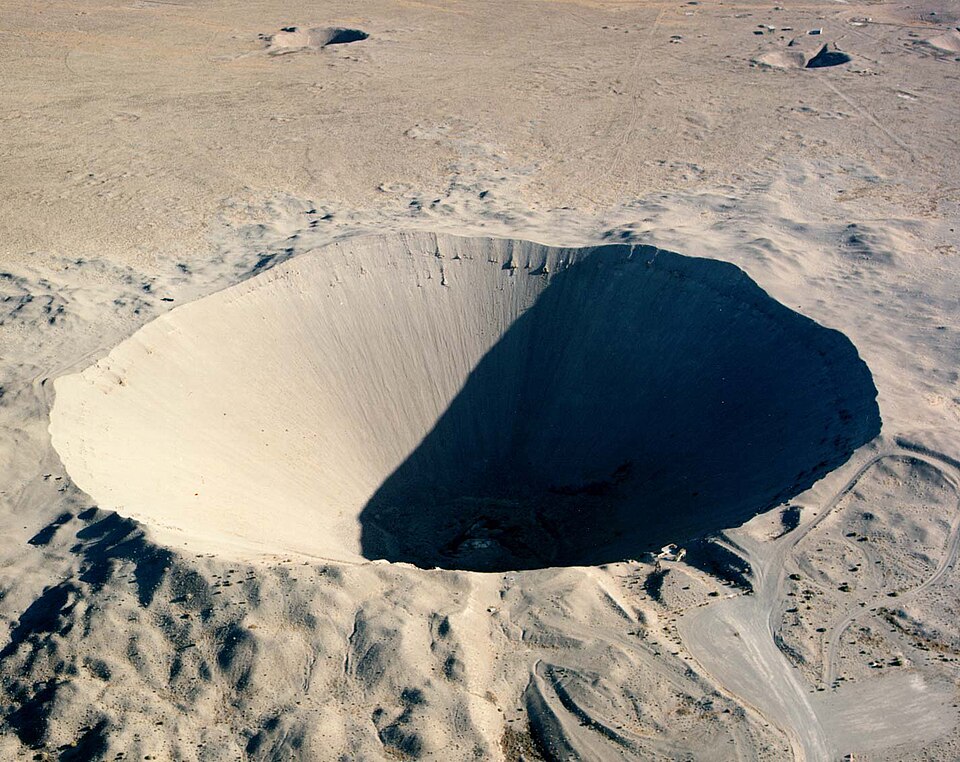
Worked at the Nevada Test Site? Your White Card can cover care at home.
Whether you remember it as the Nevada Test Site or know it today as the Nevada National Security Site, it is the same place, and the same benefits. When an illness is accepted, it comes with a White Card: lifetime medical benefits at no cost to you, including skilled home health. Here is who is covered, which illnesses qualify, and what the benefit is worth, drawn from the Department of Labor and NIOSH.
Yes. The Nevada Test Site, now the Nevada National Security Site, is a covered Department of Energy facility under EEOICPA for work from 1951 on. Department of Energy employees and contractor and subcontractor employees who worked there may qualify when a covered illness is linked to that work. The Tonopah Test Range is a covered facility as well.
For certain periods, the government grants a Special Exposure Cohort. If you worked at the Test Site during one of these windows and later developed one of the 22 specified cancers below, your claim is presumed to be work-related. You do not have to reconstruct your radiation dose.
Outside these windows, a claim can still be covered. NIOSH reconstructs your radiation dose, and the claim is compensable when the probability that the work caused the cancer is at least 50 percent.
For a Special Exposure Cohort member, these cancers are presumed work-related. Onset must be at least two or five years after first exposure, depending on the cancer. This is the federal list, not medical advice; your physician and the Department of Labor determine what applies.
Onset at least 2 years after exposure
- Leukemia (other than chronic lymphocytic leukemia)
- Lung cancer (other than in-situ found at autopsy)
- Bone cancer (primary or secondary)
- Renal (kidney) cancer
Onset at least 5 years after exposure
- Multiple myeloma
- Lymphomas (other than Hodgkin’s disease)
- Thyroid
- Male breast · Female breast
- Esophagus
- Stomach
- Pharynx
- Small intestine
- Pancreas
- Bile ducts · Gall bladder
- Salivary gland
- Urinary bladder
- Brain (malignant only)
- Colon
- Ovary
- Liver (except if cirrhosis or hepatitis B is indicated)
An accepted claim issues a White Card, the medical-benefits card the Department of Labor honors for care tied to your accepted condition, at no cost to you. The Department of Labor pays the provider directly, and you never receive a bill. Alara provides the home-health side:
Beyond medical care, EEOICPA can pay compensation. This is general education, not a determination, and Alara does not file or decide claims. The Department of Labor decides every claim.
A one-time payment plus lifetime medical benefits for a covered cancer or illness tied to the work. Special Exposure Cohort members with a specified cancer qualify without dose reconstruction.
Compensation for whole-body impairment and for wage loss caused by the covered illness, up to a combined maximum of $250,000. Federal Department of Energy employees are not covered under Part E.
A White Card can also grow. A new problem caused by an accepted condition, called a consequential condition, can be added, which can open more care and, under Part E, more impairment compensation.
See how it is figured
Move the slider to see how Part E impairment compensation is calculated. This is a general illustration, not a determination.
Figured at $2,500 for each 1% of whole-body impairment, capped at $250,000 (impairment and wage loss combined). A physician rates your impairment, and the Department of Labor decides every award. Alara does not file or decide claims, and nothing here is saved.
Not sure if you qualify?
You do not pay anyone a percentage to help. The Benefit Navigator walks you through what generally applies in about a minute. A nurse can explain the home-health side. And the Department of Labor’s Las Vegas Resource Center can help you file, at no cost.